

Quick answer
A Grand Canyon river trip permit for the Colorado River is issued through the National Park Service weighted lottery, not sold on demand. Self-guided noncommercial launches require the permit, while booking a commercial outfitter does not. The permits office answers weekdays from 08:00 to 17:00, and the standard park entrance fee is 35 USD per private vehicle.
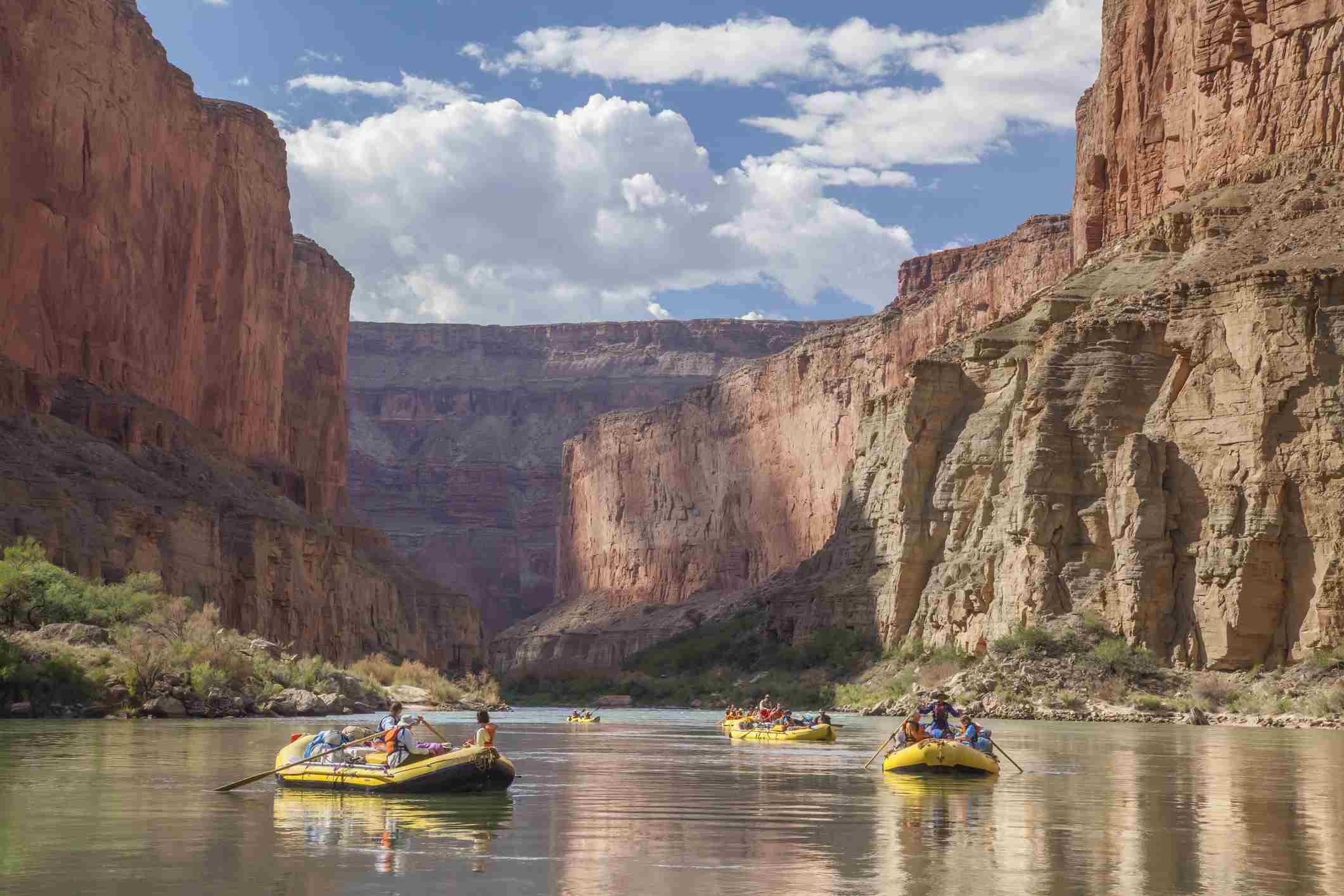
Fewer than a thousand self-guided launches leave Lees Ferry in a typical year, yet the lottery that assigns those dates draws far more applicants than it can satisfy. A grand canyon river trip permit is the document that converts a private plan into a legal departure onto the Colorado River, and that scarcity shapes everything about how the system works. Most visitors who imagine floating through Marble Canyon never handle one, because they travel with a commercial outfitter that carries the paperwork on their behalf. The distinction matters. Noncommercial groups — friends rowing their own oar boats or dories — must secure their own authorization, while guests on a guided rafting trip ride under an outfitter's concession. The National Park Service runs the noncommercial system as a weighted lottery, favoring applicants who have waited longest without a launch. A single trip can cover more than two hundred river miles, from the calm water below Glen Canyon Dam to the whitewater rapids that define the inner gorge, and every launch date is finite. That is why the Colorado River permit is treated less like a ticket and more like a reservation won against long odds. Understanding this framing helps a reader decide where to put their energy. Those set on a self-guided rafting trip should study the official lottery calendar and the National Park Service portal well ahead of their target season, since preparation rewards patience rather than last-minute effort. Those who simply want to see Phantom Ranch, the side canyons, and the river's famous whitewater from a raft are usually better served by a guided departure, which sidesteps the lottery entirely. Trips typically end downstream at Diamond Creek on Hualapai land or continue toward Lake Mead, another logistical layer worth knowing early. Either way, the practical details — office hours, fees, deadlines, and required gear — live in the dedicated sections of this grand canyon river trip permit guide, so this overview stays focused on the shape of the choice rather than the fine print. Anyone weighing the two routes can reach the permits office by phone on weekdays or start from the site's booking pages to compare guided options.
“A Grand Canyon river trip permit is less a ticket than a reservation won against long odds.”
How to Apply for a Grand Canyon River Trip Permit
Securing a Grand Canyon river trip permit runs through the National Park Service weighted lottery, not a first-come queue. Plan for a multi-step process that starts online and unfolds across several weeks from application to confirmation.
Create your online profile
Register an account at https://grcariverpermits.nps.gov/ with your legal name and contact details. Use the same name that appears on your ID, since mismatched profiles cause problems when you finalize participants later.
Submit the February lottery application
Enter the main lottery during its February window, ranking your preferred launch dates in order of priority. Many applicants pick only popular dates and lose out, so list a wide range of alternatives to improve your odds.
Pay the initial deposit
Complete the required application payment on the official site to validate your entry. An unpaid or expired card silently voids the submission, so confirm the transaction shows as processed before closing the page.
Wait for the lottery results
Results are posted to your profile after the lottery runs. Watch your registered email and account inbox rather than assuming you will be contacted by phone.
Accept and confirm your launch date
If selected, log back in to accept the awarded date within the stated response window. Missing this confirmation releases the slot to the next applicant.
Finalize participant details
Add each traveler's information, trip leader designation, and required documentation before the deadline. The trip leader listed on the permit must be present at launch, so avoid naming a placeholder you cannot commit.
Grand Canyon River Trip Permit Cost and Fees
Securing a noncommercial river permit involves several distinct National Park Service fees, which depend on the application stage, group size, and vehicle entry.
A typical adult participant pays the 310 USD permit fee plus the 35 USD vehicle entrance fee, though the total cost varies depending on whether they share vehicle space or hold an annual park pass.
Best Seasons and Deadlines for a Grand Canyon River Trip Permit
The optimal window for securing a Grand Canyon non-commercial river permit is the annual main lottery in February, while the shoulder months of April and October offer the ideal balance of weather and river conditions. Submitting during this winter window grants access to the highest number of available launch dates for the following calendar year.
February Application Period
No river crowds (system only)—
The main lottery runs for the first three weeks of February to assign the following year's launches. Missing this window restricts you to sporadic follow-up lotteries.
April and October Launches
Moderate river traffic50°F to 82°F (10°C to 28°C)
These months provide moderate temperatures and favorable flows. Demand is high but yields a more manageable climate than mid-summer.
June to August Launches
High river trafficUp to 105°F (40°C)
This period sees the highest competition, with lottery success rates often dropping below two percent. High heat requires diligent hydration management.
Weekday mornings
Low phone wait times—
Call the permits office between 08:00 and 12:00 for the shortest wait times. Staff are available Monday through Friday to answer application questions.
Verdict: Submit your application during the February main lottery for an April or October launch, and call the office between 08:00 and 12:00 on weekdays for assistance.
Mistakes to Avoid When Booking a Grand Canyon River Trip Permit
The weighted lottery for a noncommercial Grand Canyon river permit rewards careful applicants. A few avoidable errors can void your entry or forfeit a launch date you already won.
Submitting multiple applications to boost your odds
Enter the lottery once per person. Duplicate or coordinated entries can disqualify you and the trip members involved, so file a single accurate application.
Leaving the Potential Alternate Trip Leader field blank
Name a PATL when you apply. If the primary leader cannot go, the listed alternate keeps the permit valid rather than canceling the launch.
Missing the strict payment window after winning a date
Confirm and pay for an awarded launch before the posted deadline. A missed window releases the date to the follow-up pool automatically.
Listing trip members who are already on another confirmed trip
Verify no one on your roster holds a conflicting launch that year. Duplicate people across trips can cancel a permit.
Assuming a lottery win is a finished booking
A win only reserves the date. Complete the confirmation steps at https://grcariverpermits.nps.gov/ to secure the permit.
Underestimating how far ahead applications open
Treat the permit as a long-lead item planned months out, not a same-season arrangement.
Grand Canyon River Permits Office Hours and Contact Details
The Grand Canyon River Permits Office in Flagstaff, Arizona, is open Monday through Friday from 08:00 to 17:00 and is closed on weekends. This office administers non-commercial river trip permits for private launches on the Colorado River.
| Monday | 08:00–17:00 | Staff available on weekdays |
|---|---|---|
| Tuesday | 08:00–17:00 | Staff available on weekdays |
| Wednesday | 08:00–17:00 | Staff available on weekdays |
| Thursday | 08:00–17:00 | Staff available on weekdays |
| Friday | 08:00–17:00 | Staff available on weekdays |
| Saturday | Closed | |
| Sunday | Closed |
Operating hours remain consistent throughout the year, though the office is closed on all federal holidays. Prospective rafters should submit inquiries well in advance of their scheduled launch dates.
Check availability
Frequently asked questions about grand canyon river trip permit
Everything you need to know about grand canyon river trip permit