

Quick answer
Yes — seniors can experience the Grand Canyon by water through smooth-water float trips on the Colorado River, which avoid rapids entirely. The park stays open daily from 00:00 to 23:59, with a 120 USD entrance fee. Arrive between 08:00 and 10:00 to meet morning launches, since river operators, not the park gate, set the timetable.
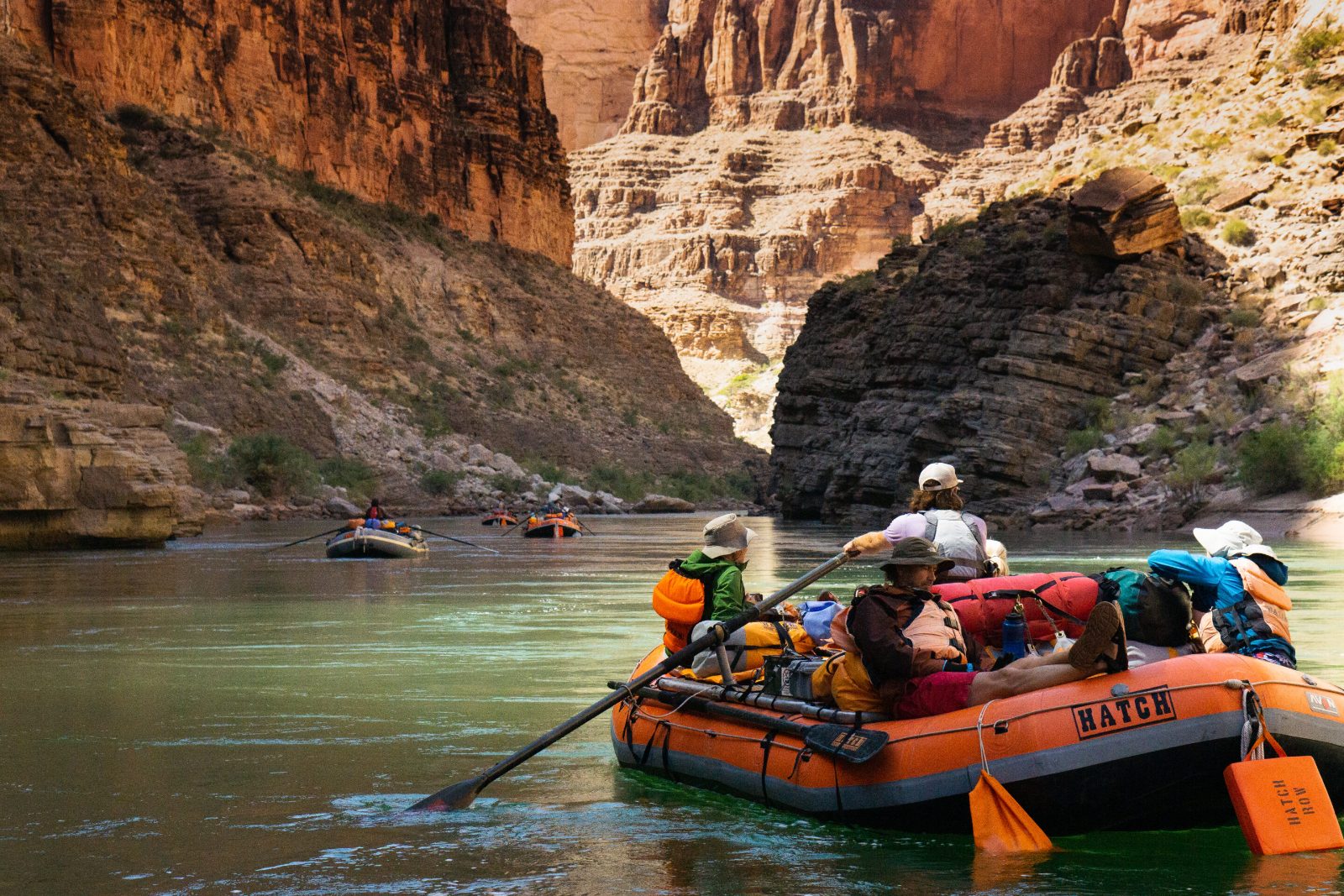
The Colorado River falls nearly 2,000 feet as it carves through the Grand Canyon, yet not every mile of it churns with whitewater. Below Glen Canyon Dam, the stretch from Lees Ferry down toward Horseshoe Bend runs smooth and cold, a mirror-flat corridor where the current does most of the work. This is the water that makes grand canyon river tours for seniors realistic rather than aspirational. Older travelers arriving at Grand Canyon National Park, AZ 86023 face a simple choice of pace. Smooth-water float trips glide beneath sheer canyon walls without rapids, while motorized pontoons cover more distance with less effort. Both share the same riparian scenery: side canyons, ancient rock layers, and the occasional bighorn on the shoreline. The park itself stays open around the clock, 00:00–23:59 every day, so the constraint is rarely the gate and almost always the launch schedule set by the river operators. Context matters here. The park charges a 120 USD entrance fee that covers the standard individual rate and the nonresident surcharge, and that pass is separate from any river excursion booked through a licensed outfitter. Trips depart from fixed put-in points such as Lees Ferry and Marble Canyon, often well before midday, which is why an early arrival between 08:00 and 10:00 keeps the morning unhurried. Reaching the water on time tends to be the real logistics puzzle, not the paperwork. What should a reader do with all this? Treat the decision as a matter of matching effort to interest. A senior-friendly Grand Canyon boat tour built around a half-day float asks little beyond boarding and sitting; longer expeditions ask more. The National Park frames the setting, but the outfitters frame the day, and their departure windows govern everything downstream. Verify hours and fees directly with the park at +19286387888 or nps.gov/grca before committing to a date. The payoff is access. Colorado River float trips for older travelers open a view of the canyon that the rim simply cannot deliver — the walls rising overhead instead of dropping away below. For anyone weighing grand canyon river tours for seniors against a rim overlook, the water offers a slower, closer, and steadier vantage on one of the country's oldest landscapes.
“The water offers a slower, closer, and steadier vantage on one of the country's oldest landscapes.”
Motorized vs. Oar Rafts: Grand Canyon River Tours for Seniors
When booking a Grand Canyon river tour, seniors must choose between the speed and stability of motorized rafts or the quiet, traditional pace of oar-powered trips.
|
Top pick Motorized Rafts 35-foot heavy-duty pontoon vessels with outboard motors |
Oar-Powered Rafts 18-foot traditional rafts rowed entirely by a guide | |
|---|---|---|
| Physical demand | Low. Passengers sit securely on 35-foot platforms with minimal physical effort needed to stay balanced. | Moderate. Passengers must hold onto straps and maintain balance in a smaller boat for twice as many days. |
| Pace and stability | Fast and highly stable. Travels at 8 miles per hour in a 35-foot raft that minimizes side-to-side rolling. | Slow and responsive. Travels at 4 miles per hour in an 18-foot raft that moves dynamically with the river current. |
| Seating comfort | High. Features large center benches and options with structured back support for 14 to 20 passengers. | Moderate. Offers limited seating for 4 to 6 passengers on gear boxes or simple bench frames. |
| Trip duration | Short. Completes the full 226-mile canyon route from Lees Ferry to Diamond Creek in 6 to 9 days. | Long. Requires 12 to 15 days to cover the equivalent 226-mile river corridor. |
| Rapid intensity | Dampened. The heavy 35-foot vessel rides over waves, reducing sudden drops and severe jarring forces. | High. The light 18-foot frame rises and drops with each wave, offering a closer, more intense whitewater feel. |
| Camping accessibility | Enhanced. Larger vessel capacity allows guides to pack standard camp cots and heavy cooking gear for up to 20 people. | Standard. Restricts gear to compact sleeping pads and light chairs for 4 to 6 passengers. |
Verdict: Choose motorized rafts if you prefer shorter durations and a highly stable, low-exertion vessel, or select oar-powered rafts if you want a quiet, slow-paced journey with close-up rapid interactions.
Mobility and Physical Demands of Grand Canyon River Tours for Seniors
Standard multi-day river trips demand significant physical exertion, requiring participants to board rafts from unstable shorelines, maintain balance through rapids, and walk over deep, shifting sand at camp. For seniors with limited mobility, select concessionaires partner with adaptive organizations to provide custom seating, sand-mobility tracks, and specialized chariot systems for backcountry terrain, though advance booking is required.
Customized rafting trips utilize ramps, secure seating, sand tracks, and chariot boarding systems to support guests with physical disabilities.
The wilderness environment along the Colorado River features exclusively natural, uneven terrain comprised of loose sand, boulders, and steep canyon trails.
While standard river toilets are basic portable units, adaptive trip operators can supply specialized, elevated seat structures and privacy tents.
Outfitters coordinate specialized charters featuring guides trained in tactile communication and visual description for travelers with sensory impairments.
Private charters or custom-paced adaptive itineraries can be structured with fewer daily river miles to allow extended rest periods at camp.
Ideal Seasons for Booking Grand Canyon River Tours for Seniors
The ideal window for a senior river tour is spring or autumn, specifically May or September, when temperatures are milder and river flows are manageable. These months avoid the extreme heat of midsummer and the risk of heavy monsoon storms.
April to May
Moderate passenger numbersHighs 82°F–92°F, lows 56°F–63°F
Lower river flows provide a more relaxed pace for rafting. Strong spring winds can occur, but daytime temperatures remain comfortable for canyon exploration.
June to August
Peak seasonal congestionHighs 101°F–106°F, lows 72°F–78°F
The Colorado River runs faster due to high-water dam releases, but extreme inner-canyon heat increases the risk of dehydration. Afternoon monsoon storms in July and August frequently bring rain and lightning.
September to October
Lower commercial trafficHighs 84°F–97°F, lows 58°F–69°F
Milder temperatures and calmer winds make this a stable period for older travelers. Motorized commercial tours end by September 15, leaving the canyon to quieter non-motorized trips.
Weekday mornings
Fewer gate queues—
Aiming for the best arrival window of 08:00–10:00 allows seniors to bypass entrance queues and begin logistics before peak afternoon heat. Grand Canyon National Park charges a 120 USD entrance fee and is open 00:00–23:59 daily.
Verdict: Weekday departures, arriving at the park between 08:00–10:00 in May or September, offer the most comfortable temperatures and crowd levels.
Essential Safety and Comfort Tips for Grand Canyon River Tours for Seniors
To fully enjoy a river journey through the Grand Canyon, seniors should focus on practical strategies for wilderness hygiene, constant hydration, and rapid temperature changes.
Locate the Camp Groover Early
Upon arriving at camp, immediately find the pathway to the portable toilet system before sunset. Keep a headlamp accessible in your pocket to navigate the rocky trail during nighttime hours.
Master the Toilet Key System
River camps use a designated physical token, such as a hand-washing bag or paddle, as a key to signal toilet occupancy. Always check for this key at the handwash station before walking down the trail to the toilet.
Shield Against Cold Rapid Splashes
Colorado River water released from Glen Canyon Dam remains between 46 and 55 degrees Fahrenheit year-round. Keep high-quality rain jacket and pants at the top of your dry bag to block these cold morning splashes.
Prevent Heat-Induced Dehydration
The dry canyon air evaporates sweat immediately, meaning you will lose moisture without noticing. Drink water continuously and carry electrolyte powder packets to mix into your bottle to maintain your sodium levels.
Guard Against Reflected Sun Glare
Canyon walls intensify solar heat by reflecting UV rays from multiple angles. Wear UPF 50+ clothing and a wide-brimmed hat secured with a chin strap to prevent the wind from blowing it into the river.
Prepare for Day Peeing Stops
Daytime urine is directed into the river rather than the land to prevent odor buildup. Pack a two-piece swimsuit or quick-dry layers to make wading into shallow water for toilet stops much easier.
Crucial Mistakes to Avoid on Grand Canyon River Trips
Senior travelers run into a few predictable traps on Grand Canyon river trips. Knowing them ahead of time keeps the day focused on the river, not on recovery.
Booking a partial river trip that requires trail hiking
Confirm whether the trip includes a hike out on the Bright Angel or South Kaibab trail before booking. Both are steep, multi-hour climbs; choose a full float or upstream option that avoids them if hiking is a concern.
Underestimating how cold the river water is
Colorado River water often runs in the 40s–50s Fahrenheit year-round below the dam. Expect cold spray and plan accordingly rather than assuming warm summer air means warm water.
Arriving at midday and hitting entry gate queues
Use the best arrival window of 08:00–10:00 to avoid entry gate queues and peak midday heat.
Not booking the tour in advance
River tours fill early and are not sold at the gate. Reserve through the site's booking pages before you travel.
Not budgeting for the park entrance fee
Plan for the 120 USD entrance fee, which includes the standard individual fee and nonresident surcharge, separate from any tour cost.
Assuming the park has limited access hours
The park is open 00:00–23:59 daily, but confirm tour departure times directly since river trips run on fixed schedules.
Pre-Trip Packing and Prep for Grand Canyon Rafting
Work this list from a few weeks out down to the morning you launch so nothing river-critical gets left behind.
-
Reserve your tour with the operator — Senior-suited trips fill early, so confirm your seat weeks ahead through the site's booking pages.
-
Carry photo ID and confirmation — Operators check identity and reservation details before boarding.
-
Budget the 120 USD park entrance fee — The fee covers the standard individual charge plus the nonresident surcharge.
-
Pack neoprene socks and secure footwear — They keep feet warm in cold river water and grip wet, rocky footing.
-
Bring sun apparel and wide-brim hat — Long-sleeve UPF layers and a chin-strap hat shield skin during open-water hours.
-
Load essentials into a sealed dry bag — Store medications, phone, and spare layers where splashes and rapids can't reach them.
-
Label daily medications in a waterproof case — Quick access matters when gear is packed tight for the day on the water.
-
Arrive at the gate 08:00–10:00 — Early entry avoids gate queues and midday heat before your launch.
Check availability
FAQ: Grand Canyon river tours for seniors
Everything you need to know about grand canyon river tours for seniors