
Quick answer
A Grand Canyon river trip packing list centers on waterproof dry bags, quick-dry layers, sun protection, sturdy river sandals and a wide-brim hat sized to the Colorado River's canyon heat. Plan to reach the launch site between 08:00 and 10:00, before midday temperatures climb, and pack everything to survive spray, sand and full-day sun.
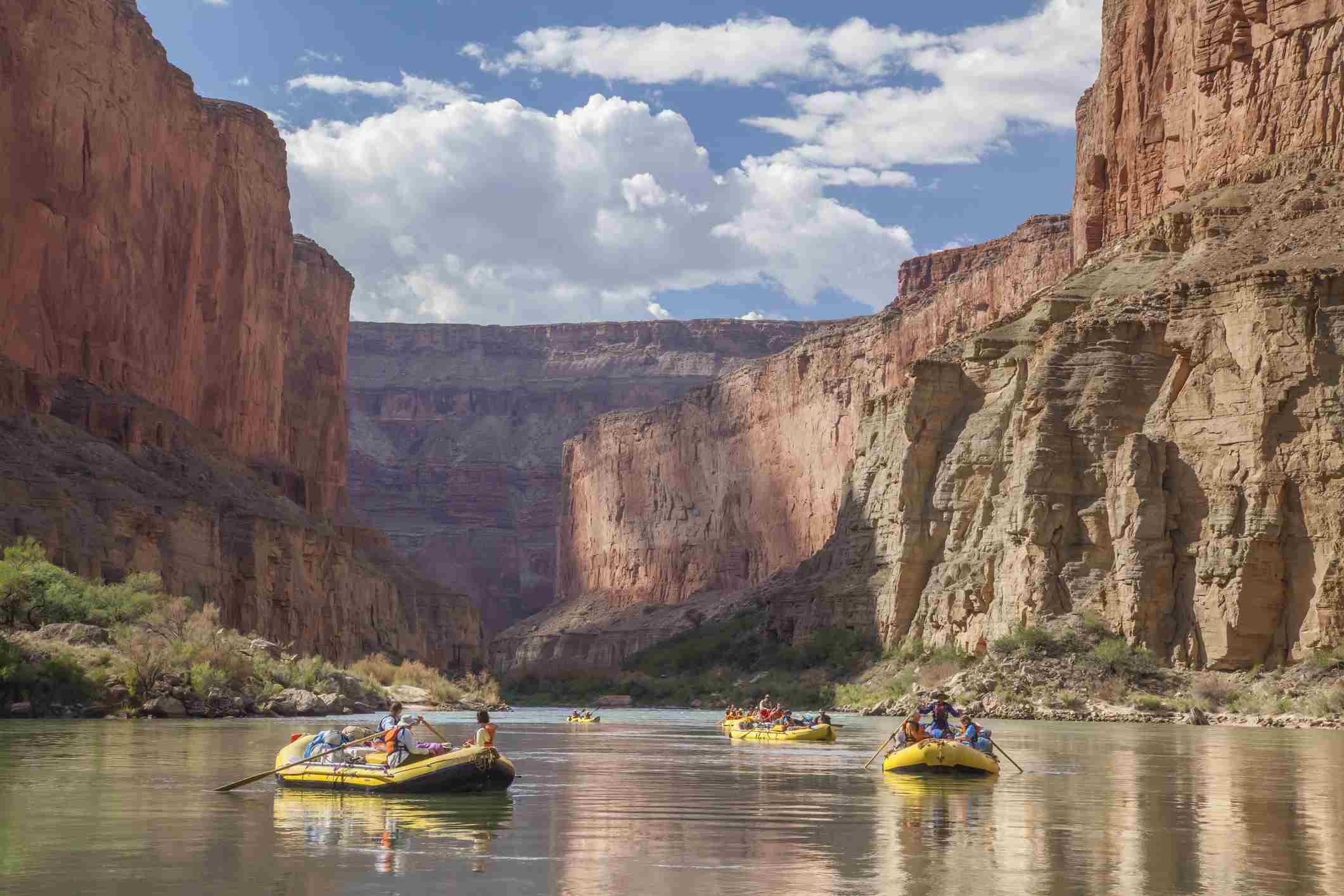
The water flowing through the bottom of the Grand Canyon can sit near 46°F even when the rim air tops 100°F, released cold from the base of Glen Canyon Dam upstream. That single fact shapes every Grand Canyon river trip packing list more than any weather forecast. A journey down the Colorado River is not a hike with a river attached; it is days spent inside a corridor of rock where sun, spray and sand never let up. Most trips launch from Lees Ferry, the only road access to the river above the canyon proper, and travelers may not touch pavement again for a week or more. That isolation is the context that makes a river-specific approach to gear make sense. There are no shops between Marble Canyon and Diamond Creek, no way to replace a lost layer, and everything rides in waterproof dry bags lashed to oar rafts or dories. The river sets the schedule, not the traveler, and each night's camp is wherever the boats can pull in against the current. What goes in the bag at the launch site is what a traveler lives with through every whitewater rapid. The park stays open around the clock, and the permits office recommends checking in between 08:00 and 10:00, before the midday heat settles into the inner gorge. Reaching the launch that early leaves time to sort gear while the canyon walls still throw shade. A well-built grand canyon river trip packing list guide reads less like a shopping receipt and more like a plan for water, sun and repetition — the same clothes worn, dried and worn again against desert varnish and afternoon glare. Frame the choices around the river's rhythm rather than a calendar date. Side canyons, Redwall cliffs and quiet eddies reward travelers who packed light but packed right, and the difference usually comes down to preparation finished before leaving home. Weight, waterproofing and shade matter more than variety, since the same layers cycle through wet mornings and scorching afternoons for the length of the run. Read this grand canyon river trip packing list as orientation; the detailed gear lists, timing and costs live in the sections that follow.
“The river sets the schedule, not the traveler, and what fits in the dry bag decides the trip.”
Grand Canyon River Trip Packing List
Pack these core items in the weeks before launch so you arrive at the permits office ready for the river.
-
Confirm your river permit and ID
-
Bring government photo ID matching your permit reservation — Launch staff verify identity against the permit before you board.
-
Pack quick-dry base layers — Synthetic shirts and shorts shed water fast and prevent chafing on long days.
-
Add insulating mid-layers — Canyon mornings and shaded stretches run cold even in warm months.
-
Pack a wide-brim hat and UPF shirt — Shade the head, neck, and arms through hours of open-water sun.
-
Carry high-SPF sunscreen and lip balm — Reflected light off the water burns exposed skin quickly.
-
Bring polarized sunglasses with a strap — Cut glare and keep eyewear secured against splashes and rapids.
-
Pack biodegradable soap and a quick-dry towel — Keep hygiene simple and river-safe between camps.
-
Include personal medications and a small first-aid kit — Carry enough for the full trip length plus a buffer.
How to Pack Your Bags for a Grand Canyon River Trip
Packing for a Grand Canyon river trip means sorting your gear into the outfitter-provided dry bags so items stay accessible on the water and protected from the river. Plan about an hour the night before launch to lay out, load, and seal everything properly.
Sort into day and camp piles
Separate what you need on the raft during the day from what stays sealed until camp. People often bury sunscreen and a layer at the bottom, then can't reach them mid-rapid.
Load the large dry bag first
Pack sleeping and camp gear into the big overnight bag, heaviest items at the bottom for a stable base. The common error is overstuffing so the roll-top won't close with enough overlap.
Keep a small day bag on top
Use the smaller ammo can or day dry bag for items you'll want between stops. Rushing this means digging through the whole load every time you stop.
Roll and seal each closure
Squeeze out excess air, fold the top down at least three times, then clip the buckles firmly. A loose or single fold is the main reason bags leak when they take a wave.
Clip bags to the boat frame
Secure every bag to the raft with the provided straps so nothing floats off in rough water. Bags left loose or lightly tucked are the ones that go overboard in a flip.
Do a final shake test
Lift and shake each sealed bag to confirm the closure holds and nothing rattles loose. Skipping this check is when people discover an open buckle only after gear is wet.
Grand Canyon River Trip Packing List by Season
The optimal time to check in at the launch site or permits office is between 08:00 and 10:00 to avoid the midday heat, especially during September and October when packing needs transition from summer sun-shielding gear to thermal layers.
Spring (April to May)
Moderate river traffic.Highs 82–90°F, lows 53–60°F.
Cold river water requires splash jackets, fleece pants, and neoprene booties for warmth during rapids. Campers need thick sleeping bag liners and windproof outer layers.
Summer (June to August)
High commercial and private traffic.Highs 101–105°F, lows 71–76°F.
Packing focuses on lightweight, quick-drying UPF clothing, wide-brimmed hats, and heavy sun protection. Heavy layers are unnecessary, though a light rain jacket is needed for afternoon monsoons.
Autumn (September to October)
Lower river traffic.Highs 83–95°F, lows 55–66°F.
Rafters must prepare for variable weather by packing warm fleece, beanies, and wool socks for chilly mornings. The cold 50°F river water makes wet-weather gear crucial as air temperatures drop.
Verdict: Launch check-ins are best completed between 08:00 and 10:00 on weekdays in September to secure milder weather and optimize your packing list for warm days and cool canyon nights.
Pro Tips for Your Grand Canyon River Trip Packing List
These expert packing hacks will help you manage the harsh desert climate and keep your gear secure on the Colorado River.
Secure Bottles With Carabiners
Clip your water bottles directly to the raft's frame or webbing straps using locking carabiners. This prevents them from being swept away when hitting major rapids.
Prevent Skin Cracking with Salves
The arid canyon air and abrasive river sand will quickly dry out your hands and feet. Pack heavy-duty salves like Bag Balm or Super Salve rather than standard lotion to prevent painful skin splits.
Use a Multifunctional Sarong
Dip a rayon sarong into the cold river water and drape it over yourself for instant evaporative cooling. It also functions as a quick-drying towel, a clean changing wrap at camp, or a clean surface to dump out your gear on the sand.
Pack Extra Sunglasses and Straps
The Colorado River frequently claims sunglasses during rapid crossings. Bring a spare pair and keep them secured to your head with tight eyewear retainers like Chums.
Choose Leave-In Hair Conditioner
Finding biodegradable rinse-out conditioner that complies with park regulations is difficult. Pack a leave-in formula instead to detangle river-matted hair without washing chemicals into the water.
Wear Neoprene Socks Under Sandals
Cold water and constant sand friction can cause severe foot blisters. Wearing thin neoprene socks inside your river sandals keeps sand out and adds thermal protection.
Common Gear Mistakes on a Grand Canyon River Trip
A few packing errors turn up again and again on Grand Canyon river trips. Each one is avoidable once you know what outfitters actually expect.
Bringing cheap plastic ponchos for splash protection
Thin disposable ponchos shred in rapids and trap water against you. Pack a proper rain jacket and pants rated for cold water immersion.
Relying on cotton clothing on the water
Cotton stays wet and pulls heat from your body in the canyon's cold water. Choose synthetic or wool layers that insulate when damp.
Exceeding the 25-pound outfitter weight limit
Overpacked bags get left behind or repacked at the launch site. Weigh your dry bag at home and hold gear to the 25-pound limit your outfitter sets.
Skipping a dry bag for electronics and documents
Phones, permits, and cameras rarely survive an open boat unprotected. Seal them in a dedicated waterproof bag or hard case.
Packing only sandals with no closed-toe shoes
Loose sandals fail on rocky scrambles and hot sand. Bring secured river shoes plus closed-toe camp shoes.
Forgetting sun protection for full daylight exposure
You are on open water from morning through evening with little shade. Pack a wide-brim hat, high-SPF sunscreen, and UV-rated long sleeves.
Getting to the Launch Site with Your Gear
Grand Canyon river trips launch from Lees Ferry, located in Marble Canyon along the Colorado River. Travelers typically drive via U.S. Route 89 to U.S. Route 89A, or book an outfitter shuttle from nearby hubs like Flagstaff or Page.
US-89 to US-89A to Lees Ferry Road
Commercial outfitter shuttle from Flagstaff
US-89A south from Fredonia to Lees Ferry Road
Upstream jet boat from Lees Ferry launch ramp
Permit Fees and Grand Canyon River Trip Packing List Costs
Entrance and access fees for a Grand Canyon river trip depend on your residency status and permit type. When preparing your gear, remember to pack extra cash to cover trailside purchases at Phantom Ranch and gratuities for your river guides.
A typical nonresident adult pays the 120 USD entrance fee, which changes if they possess an annual national park pass.
Check availability
FAQ: Grand Canyon River Trip Packing List
Everything you need to know about grand canyon river trip packing list